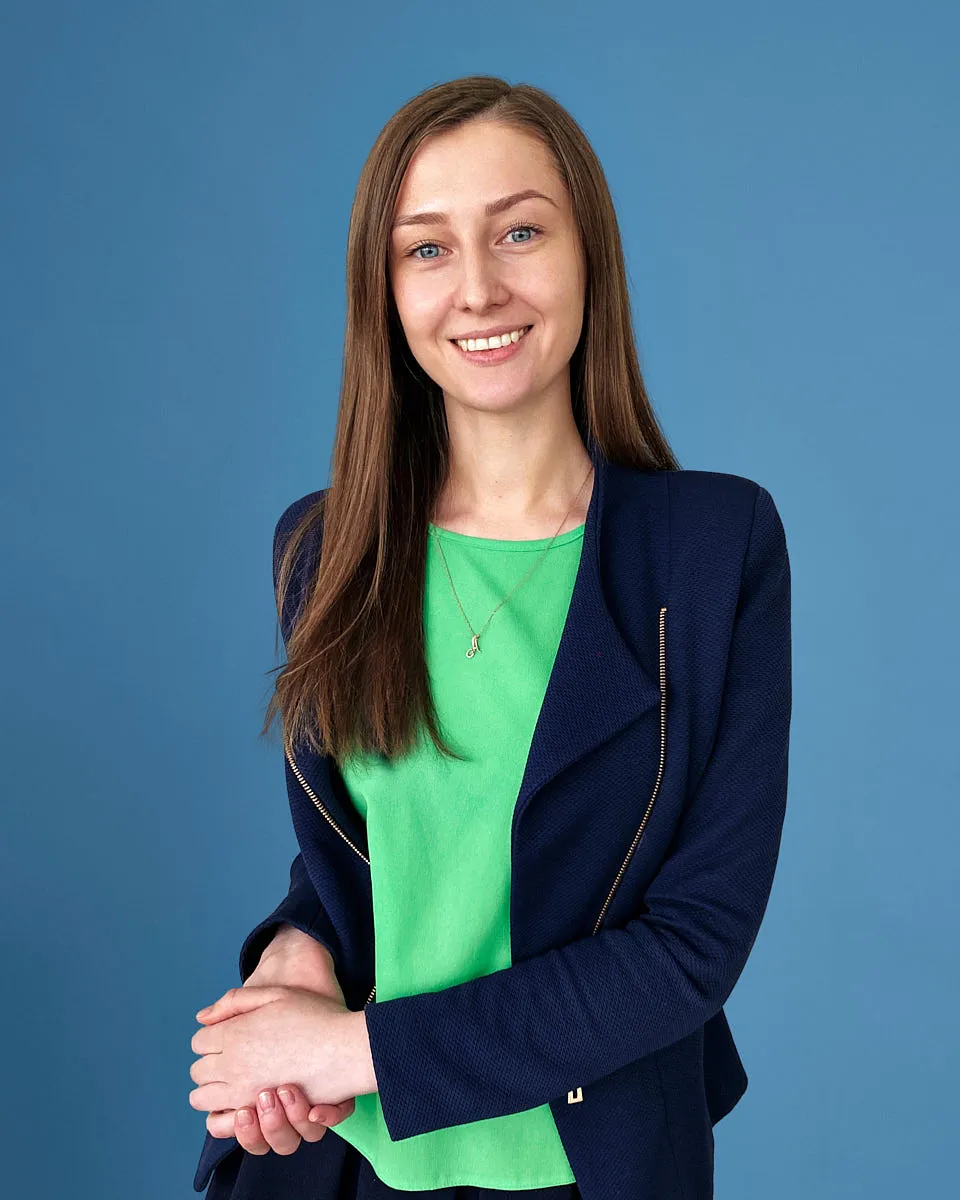
AI headshot tools are real, useful, and not going away. The pitch is real too, fast, cheap, and convenient. But the pitch hides where the cost of the wrong choice shows up, and that cost is borne later, by the person whose face is on the page.
This article is not anti-AI. It is about picking the right tool for the right context.
What AI headshots are good at
- Speed. Minutes from upload to output.
- Volume. Many variations of pose, background, and tone from one input.
- Cost per image. Lower than any human-led session.
- Iteration. Easy to regenerate when the first batch misses.
These are real wins. For the right use cases, they are decisive.
Where AI headshots quietly fail
- Likeness drift. AI generates a face from your selfies. Subtle features, eye geometry, ear shape, jawline, drift. Friends and colleagues notice. The person in the photo does not always.
- Consistency across a team. Different team members feed different selfies. The output style depends on the input quality. A team page comes out as a collage of different AI tools’ interpretations.
- Trust on profiles people scrutinize. Recruiters, journalists, and investors look at headshots more carefully than the rest of us. If your profile is somewhere those people scan, accuracy matters more than convenience.
The pattern is: AI optimizes for output volume, not for representational accuracy.
When AI is the right call
- Casual community profiles, hobby sites, side-project bios.
- Internal-only directories where likeness accuracy is not a constraint.
- Temporary placeholders before a real session.
If your context is on this list, AI is fine. The trade-off is appropriate.
When real wins
- LinkedIn profiles connected to recruiting, BD, or fundraising.
- Company websites, leadership pages, board pages.
- Press kits, conference and panel speaker pages.
- Trust-sensitive industries, finance, legal, healthcare, consulting.
- Anywhere a stranger might recognize you in person.
In these contexts, the cost of a slightly-off AI portrait is paid in trust, not dollars. That cost is invisible at the moment of decision, which is what makes it expensive.
The hidden cost of “good enough”
A surprising amount of AI headshot rework happens after the fact. The leadership team approves a generated image, the website ships, and three weeks later the executive’s spouse, or a journalist, or a customer, points out that “it doesn’t look quite like them.” The image gets pulled. A real session gets booked. The total cost is now higher than it would have been to start with a real session.
Real sessions remove that risk by being real. The face is your face by definition.
The decision in one line
If accuracy and consistency matter, book a real session. If they do not, AI is fine. There is no shame in either decision, only in using the wrong one for the context.
For more, see professional headshots vs AI headshots, which lays out the comparison in a more structured way.