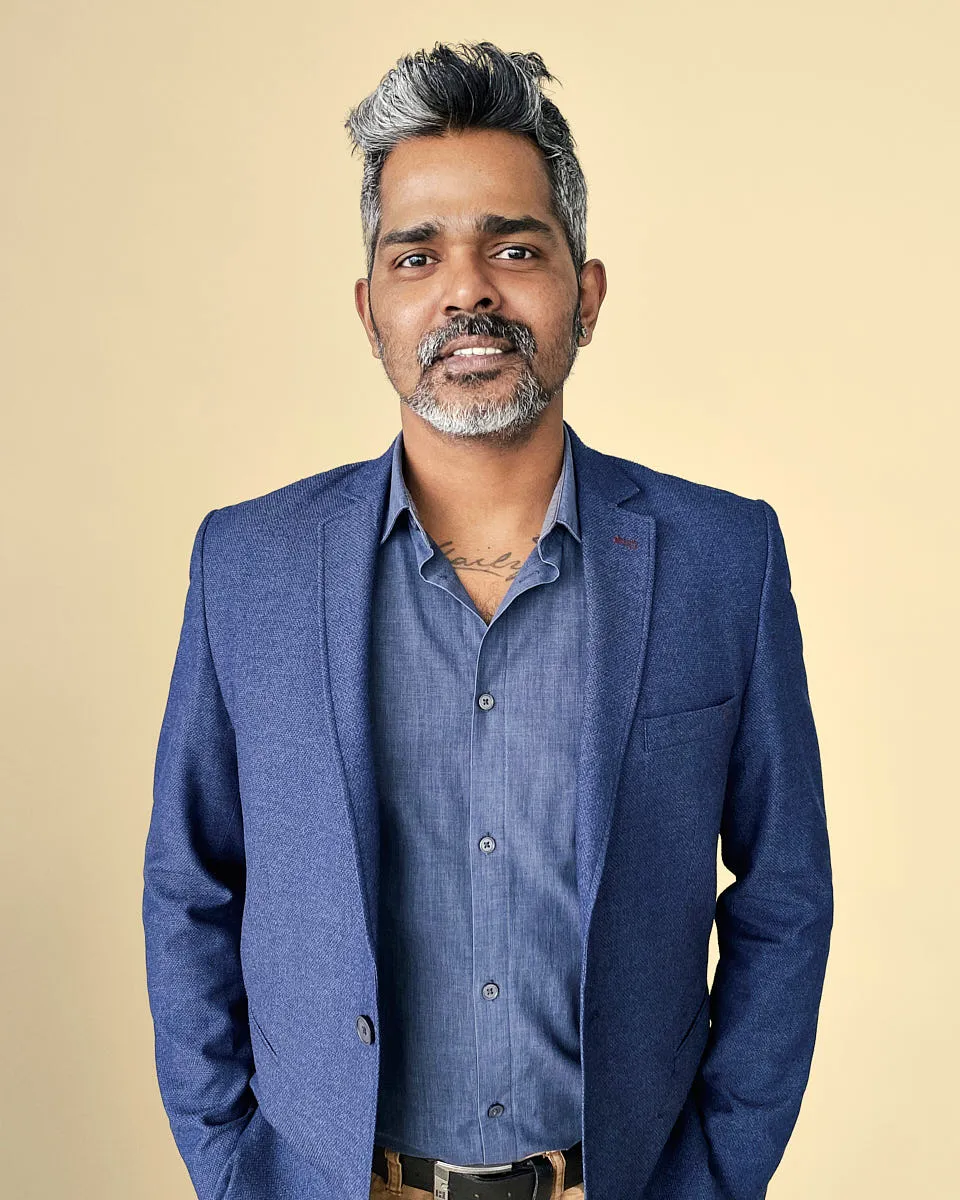
Studio headshots are not going away, and they should not. There are use cases where a studio day is genuinely the right call. There are also use cases where it is overkill, and the field defaults to it out of habit.
This article walks through both, without trying to convince you remote always wins.
When a studio day is the right call
- One co-located team, one occasion. A 30-person company in a single city, all in the office on the same day, planning a rare set of headshots. A studio day pays for itself in coffee logistics.
- Specialty production needs. Editorial headshots with custom lighting setups, multiple wardrobe changes, or specific seamless backdrops. A studio environment exists for a reason.
- Pre-event group shots. When you also need group photography of leadership, candids, or behind-the-scenes content, a studio session bundles the headshots into a larger production day.
If two of those describe your situation, book a studio.
When a remote workflow wins
- Distributed or hybrid teams. No shared office means no shared studio day. A remote workflow captures everyone in one standard without travel.
- Ongoing programs. New hires every month, or quarterly leadership refreshes. A remote workflow plugs into onboarding; a studio day cannot.
- Multiple time zones. A photographer can move through time-zoned blocks. A studio cannot.
- Tight pre-launch windows. When the website relaunch, the conference, or the fundraise is two weeks out, scheduling a studio day across cities is an unforced error.
If two of those describe your situation, book remote. If your alternative is booking a photographer city by city, that comparison is with local marketplaces such as Snappr.
What people get wrong about each
”Studio always looks better.”
True for editorial portraits with multi-light setups. Not true for headshots, which are mostly about expression, framing, and consistency. A live-directed remote session with good window light and a guided setup can match a studio result for the use cases above.
”Remote always saves money.”
Per-person, yes. Per-rollout, the gap closes when you factor in the studio’s ability to bundle leadership group shots and brand photography into one day. If you only need headshots, remote wins on cost. If you need a broader shoot, look at the bundle. Studio rates vary a lot by city — see what they actually run in New York and San Francisco.
”Remote means low quality.”
Quality comes from direction and editing, not the room. A live photographer adjusting your light and posture in real time produces a publishable headshot. The setup is just a tool.
The decision in two lines
If your team is all in one city on the same day, book a studio. If your team is anything else, book a remote rollout.
Both are fine. The mistake is using the wrong one for your situation.